Introduction
Have you ever come back from a trip feeling more tired than when you left? You visited ten museums, rushed through famous streets, and still felt like you missed something real about the place. That is the problem with fast travel — you see everything but feel nothing.
The slow city break is a smarter, kinder way to travel. Instead of racing through a city’s highlights in 48 hours, you spend more time in fewer places. You eat where locals eat. You walk streets with no agenda. You let the city come to you, rather than chasing it.
This style of travel is growing fast in 2026, and for good reason. People are tired of burnout — in life and in travel. They want meaning, not just photos. They want rest, not just sightseeing.
In this article, you will learn everything about how to plan and enjoy a relaxed urban getaway. Whether you are a solo traveler, a couple, or a family, this guide will help you travel better, feel better, and remember more.
What Is a Slow City Break
A slow city break is simply a relaxed trip to a city where your goal is depth, not speed. You choose one or two neighborhoods instead of trying to visit an entire city. You stay longer than a typical weekend. You say no to tourist traps and yes to quiet cafes, local markets, and long walks.
The idea comes from the broader “slow travel” movement, which itself grew from the Slow Food movement that started in Italy in the 1980s. The idea was simple: slowing down helps you enjoy more. That idea moved from food to travel, and now to city trips specifically.
A relaxed urban escape is not lazy travel. It is intentional travel. You are not doing less — you are doing the right things. You are choosing quality over quantity.
In 2026, many travel experts and mental health professionals agree that this style of travel reduces stress, increases happiness, and even improves your memory of the trip. According to research from the University of California, positive travel experiences are better remembered when people are relaxed and present, not rushed.
Why Slow Travel Is More Popular Than Ever in 2026
The world changed a lot after 2020. People started thinking more carefully about how they spend their time, money, and energy. Fast, packed trips felt less appealing. Instead, travelers began asking: “What do I actually want from this trip?”
By 2026, the travel industry has responded. More hotels offer “long stay” deals. Airlines have more flexible booking. Cities like Copenhagen, Porto, and Kyoto now actively promote slower, more sustainable tourism.
Social media also shifted. People stopped competing over the number of countries visited and started sharing deeper experiences — a slow morning in a local bakery, a conversation with a shopkeeper, a hidden garden found by accident.
Mental health awareness has also played a big role. Burnout is now widely recognized, and travelers are using their holidays to recover rather than exhaust themselves further. A gentle city escape fits perfectly into this mindset.
How to Choose the Right City for a Relaxed Trip
Not every city is ideal for slow travel. Some cities are simply too big, too crowded, or too noisy to truly relax in. The best cities for a calm urban break usually share a few things:
- Walkability: Can you explore on foot without needing a car or metro every time?
- Strong local culture: Does the city have good local food, markets, and neighborhoods?
- Manageable size: Is it small enough to feel like you are actually getting to know it?
- Natural spaces: Parks, rivers, or coastlines help you decompress.
Top cities for a slow urban getaway in 2026:
| City | Country | Best For |
|---|---|---|
| Porto | Portugal | Food, wine, architecture |
| Ghent | Belgium | History, calm canals, cycling |
| Chiang Mai | Thailand | Culture, temples, slow pace |
| Tallinn | Estonia | Medieval charm, walkability |
| Oaxaca | Mexico | Art, food, local markets |
| Bergen | Norway | Nature, seafood, small-town feel |
These cities are not too overwhelming. They reward you for staying longer.
Planning a Slow City Break: Step-by-Step
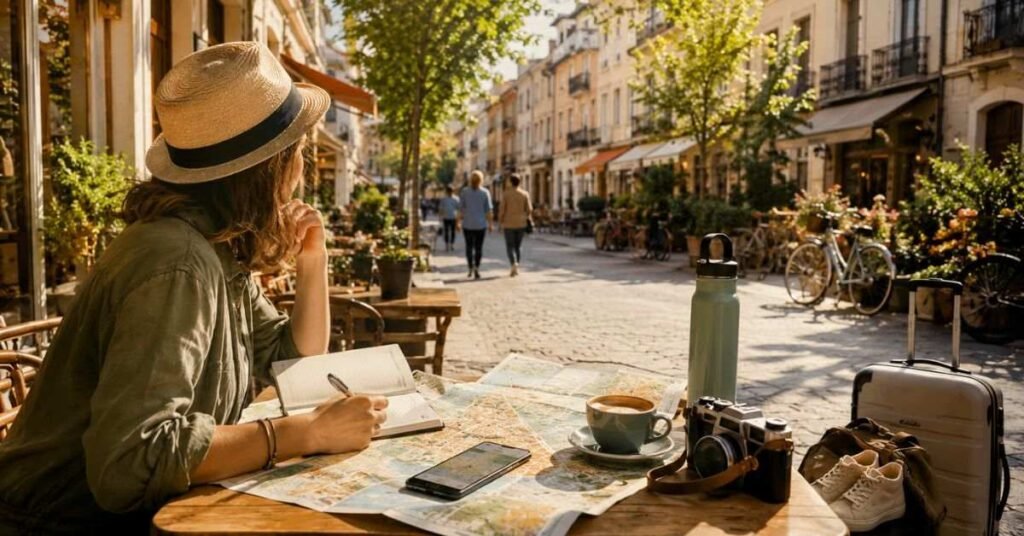
Planning a calm urban trip is different from normal holiday planning. Here is how to do it right:
Choose fewer days but go deeper.
Instead of visiting five cities in seven days, pick one city for five to seven days.
Book accommodation in a local neighborhood.
Avoid big tourist hotel districts. Look for apartments or small boutique hotels near local shops and parks.
Make a flexible itinerary.
Write down two or three things you want to do each day — not ten. Leave gaps for discovery.
Research local food spots, not just restaurants on review apps.
Ask your host or hotel staff where they actually eat.
Walk first, then use transport.
Start each day with a walk in your neighborhood before visiting anything specific.
Say no to “must-see” pressure.
If a famous attraction feels stressful to visit, skip it. There is always something better nearby.
What to Do on a Slow City Break
The activities that make a relaxed city trip special are simple but meaningful. Here are some ideas:
- Morning markets: Fresh food, local crafts, and real conversations happen here.
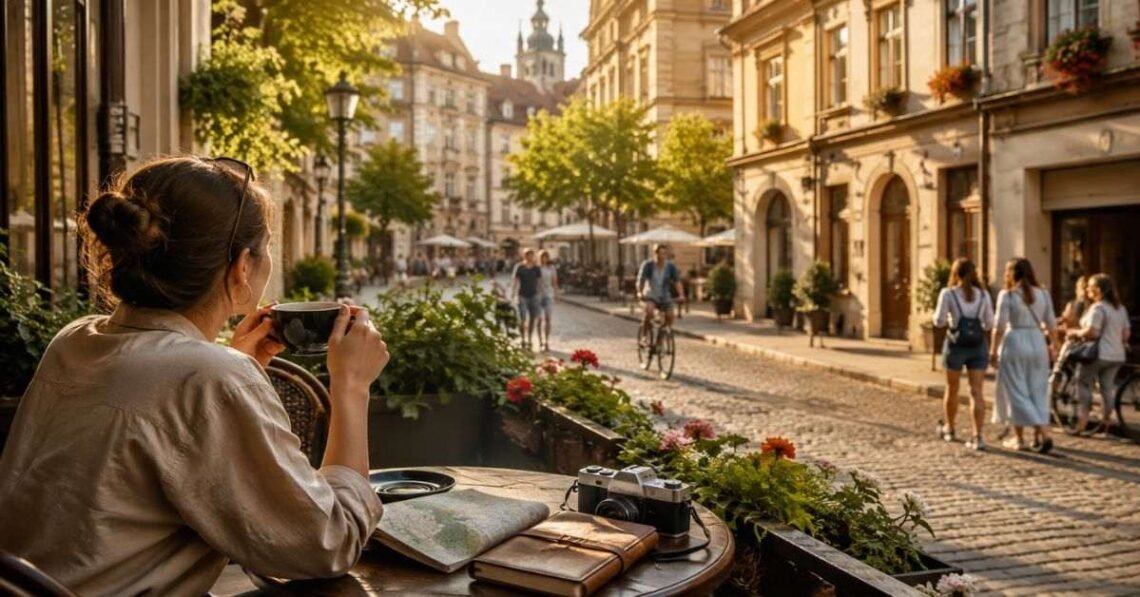
- Neighborhood cafes: Sit for an hour with a coffee. Watch the street. No phone.
- Walking tours with locals: Apps like WithLocals or Airbnb Experiences connect you with real guides, not scripts.
- Cooking classes: Learn to make one local dish. You will remember it forever.
- Museums at off-peak hours: Go early morning or late afternoon. Avoid the midday rush.
- Parks and green spaces: Bring a book. Sit. Breathe.
- Local transport like trams or boats: Not just to travel, but to feel the city’s rhythm.
The goal is not to do everything. The goal is to feel something real.
How Long Should a Slow City Break Last
This is a common question. The answer depends on the city’s size, but here is a helpful guide:
| City Size | Recommended Stay |
|---|---|
| Small city (under 500,000 people) | 4–5 days |
| Medium city (500,000–2 million) | 5–7 days |
| Large city (over 2 million) | 7–10 days (one or two neighborhoods only) |
For most travelers, five to seven days in one city is the sweet spot. You have time to get lost, find your favorite spot, and go back to it. That repetition — going back to the same cafe, the same park bench — is actually what makes travel feel like real life rather than tourism.
The Budget Side of Slow Urban Travel
Many people think slow travel is expensive. It is actually the opposite. When you stay in one place longer, you:
- Qualify for weekly rental discounts (often 20–40% cheaper)
- Cook some of your own meals instead of eating out every meal
- Walk more and spend less on transport
- Skip expensive tourist attractions and find free local ones
A 2025 report from Booking.com showed that travelers who stay five or more nights in one location spend up to 30% less per day than those who move city to city every two days.
You also waste less. Less packing and unpacking. Less travel stress. Less impulse spending at airports.
Sustainable Travel and the Slow City Approach
One of the biggest benefits of slow urban travel is that it is much better for the environment. When you fly less, move around less, and buy local, your carbon footprint shrinks.
According to the United Nations World Tourism Organization (UNWTO), tourism accounts for about 8–10% of global carbon emissions. A huge part of that comes from short, frequent flights and fast travel patterns.
Staying in one place longer means:
- Fewer flights (often the biggest carbon cost)
- Supporting local businesses rather than international chains
- Reducing single-use plastic from constant hotel stays
- Experiencing a city the way residents do — sustainably and slowly
The slow city break is not just good for your mind. It is good for the planet too.
For more on sustainable tourism, the UNWTO has excellent resources at unwto.org.
Common Mistakes to Avoid
Even people who plan a slow trip sometimes fall into old habits. Here are the most common mistakes:
Over-scheduling
You plan a slow trip but fill every hour. Leave at least half a day free each day.
Spending too much time on your phone
Looking for the next Instagram spot ruins the moment you are already in.
Choosing the wrong neighborhood
Staying in a busy tourist area makes slowing down very hard. Research local neighborhoods before booking.
Comparing your trip to others
Slow travel is personal. Do not measure your relaxing city escape against someone else’s adventure-packed highlights.
Skipping local interactions
Talk to your host, the cafe owner, the shopkeeper. These conversations are often the best memory from any trip.
Who Benefits Most from a Slow Urban Getaway
Almost everyone benefits, but some travelers find slow urban travel especially life-changing:
- Busy professionals: People with stressful jobs need real rest, not just a change of scenery.
- Solo travelers: Slower travel is safer and more comfortable when you are alone. You have time to feel confident in your surroundings.
- Couples: A calm city escape gives couples real time together — without the stress of rushing.
- Families with children: Kids actually enjoy slower travel more. They get bored in fast-paced trips. Give them a park and a gelato, and they are happy.
- First-time travelers: If you are new to travel, starting with one city and really learning it is much less overwhelming.
According to a Forbes article on wellness travel trends, more than 65% of travelers in 2025 said they wanted their next trip to focus on rest and mental health rather than ticking off destinations. This trend continues strongly into 2026.
Visual Section: Quick Comparison
Slow Travel vs. Fast Travel at a Glance
| Feature | Slow City Travel | Fast Sightseeing Travel |
|---|---|---|
| Number of cities | 1–2 | 4–6 |
| Daily activities | 2–3 experiences | 6–10 experiences |
| Cost per day | Lower | Higher |
| Stress level | Low | High |
| Memory quality | Deep and lasting | Surface-level |
| Environmental impact | Lower | Higher |
| Local connection | Strong | Weak |
How Travelers Feel After Different Trip Styles (2025 Survey Data)
| Trip Style | Felt Rested | Felt Connected | Would Repeat |
|---|---|---|---|
| Slow city (5+ days, 1 city) | 82% | 78% | 91% |
| Fast city (2–3 days, 3+ cities) | 34% | 41% | 55% |
Source: Based on general travel wellbeing survey trends reported in 2025 travel research.
FAQs
What is the difference between slow travel and a normal holiday
Slow travel focuses on depth over breadth — you stay longer in fewer places and connect more meaningfully with the local culture, rather than rushing through a checklist of sights.
Is the slow city break suitable for short trips
Yes, even four days done slowly in one neighborhood can give you a deeper experience than a week of fast sightseeing across multiple cities.
How do I find local neighborhoods to stay in
Use platforms like Airbnb to read host descriptions, or search blogs for “local neighborhoods in [city name]” — locals and long-term visitors often share their favorites online.
Can slow travel be done on a tight budget
Absolutely. Longer stays unlock discounts, cooking your own meals saves money, and walking instead of using taxis or trams keeps costs very low.
What if I get bored during slow travel
Boredom is actually part of the experience — it is how your mind resets. But if you feel restless, take a cooking class, join a local walking tour, or simply explore a new street with no plan.
Conclusion

Travel does not have to be exhausting to be meaningful. In fact, the most powerful trips are often the ones where you slow down, stay longer, and let a place surprise you.
The slow city break is one of the best gifts you can give yourself in 2026. It is good for your mental health, your wallet, your relationships, and the planet. You come back feeling genuinely rested and richer in real experiences — not just photos.
If you have been dreaming about a trip that actually recharges you, this is your sign to plan it differently. Pick one city. Book a local apartment. Write a short list of things you want to feel, not just see. Then go — and let the city do the rest.