
Introduction
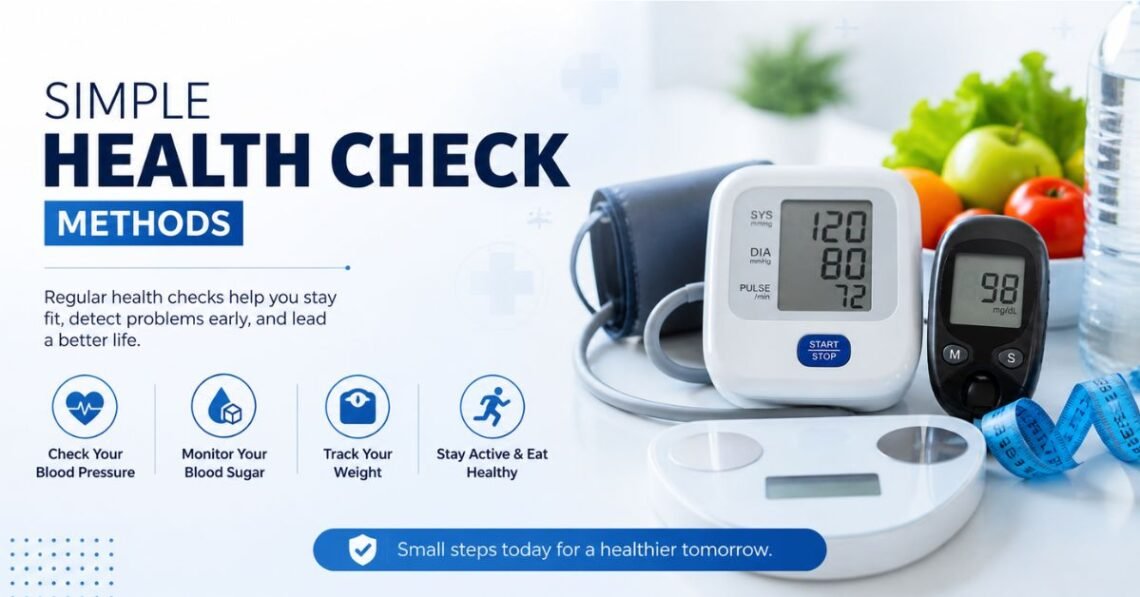
Taking care of your health does not always mean visiting a doctor every week. In fact many people do not realize how much they can learn about their own body by paying attention to a few basic signs. Simple health check methods give you the power to stay informed, catch problems early and make smarter decisions about your lifestyle all from the comfort of your home.
According to the World Health Organization early detection of health issues is one of the most effective ways to prevent serious illness. The good news is that you do not need fancy equipment or a medical degree to get started.
This guide will walk you through ten easy and practical ways to monitor your health on a regular basis. Whether you are a student, a working adult, or a senior looking after your well-being, this article is written in plain language so everyone can follow along. You will also find helpful tables, answers to common questions, and clear tips to keep your body and mind in good shape throughout 2026 and beyond.
Why Monitoring Your Health at Home Matters
Many serious health conditions like high blood pressure diabetes and heart disease develop slowly and silently By the time most people feel symptoms the condition has already been building up for months or even years.
That is why it is so important to check in with your body regularly. You do not have to wait for something to go wrong before paying attention. Even small changes like feeling more tired than usual noticing slight swelling, or having a faster heartbeat can give you valuable clues about what is happening inside.
Home health monitoring has become more popular than ever in 2026. With affordable devices and free tools available online more people are checking their own vitals and staying ahead of problems This shift is supported by healthcare professionals who encourage patients to take an active role in their own wellness.
Doctors call this preventive care and it is one of the best habits you can build. When you track your health over time, you also give your doctor better information during visit which helps them make more accurate diagnoses.
Starting with simple health check methods does not mean replacing your doctor It means becoming a more informed and engaged person when it comes to your own body.
Checking Your Blood Pressure at Home
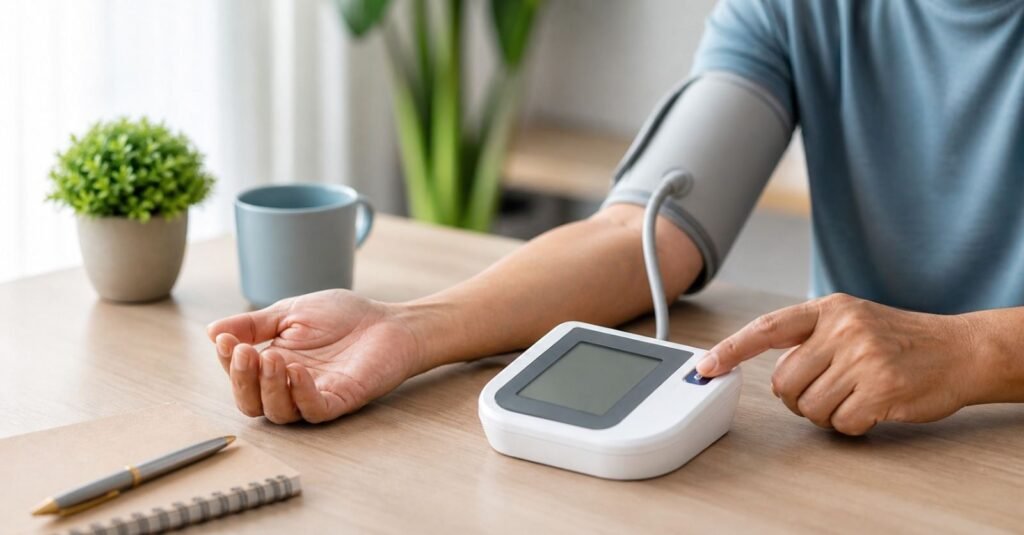
Blood pressure is one of the most important numbers to know. High blood pressure also called hypertension increases your risk of stroke heart attack and kidney disease. The scary part is that it usually has no symptoms at all.
A home blood pressure monitor is affordable, easy to use and widely available. You simply wrap the cuff around your upper arm press a button and read the numbers.
What do the numbers mean
Normal
Below 120/80 mmHg
Elevated
120–129 / less than 80 mmHg
High Stage 1
130–139 / 80–89 mmHg
High Stage 2
140+ / 90+ mmHg
Crisis
Over 180 over 120 mmHg see a doctor immediately
For the most accurate reading
Sit quietly for five minutes before checking
Keep your arm at heart level
Avoid coffee or exercise for at least 30 minutes beforehand
Take readings at the same time each day
The American Heart Association recommends checking your blood pressure at least once a month if you are in the normal range, and more often if your numbers are elevated.
Monitoring Your Heart Rate
Your resting heart rate tells you a lot about your cardiovascular health. A normal resting heart rate for adults is between 60 and 100 beats per minute bpm Athletes often have lower rates sometimes as low as 40 bpm because their hearts are strong and efficient.
You can check your heart rate without any equipment. Simply
Place two fingers on your wrist just below the thumb
Count the beats for 30 seconds
Multiply by two to get your beats per minute
A heart rate that is consistently too high above 100 bpm at rest or too low below 60 bpm without being an athlete can be a sign worth discussing with a doctor.
Smartwatches and fitness trackers also do a great job of tracking heart rate throughout the day. These devices can alert you to irregular rhythms like atrial fibrillation, which can increase stroke risk.
Checking your pulse is one of the easiest and most overlooked steps in any list of simple health check methods.
Tracking Your Body Weight and BMI
Your body weight is one of the simplest indicators of your overall health. But the number on the scale alone does not tell the whole story That is where Body Mass Index comes in.
BMI is a ratio of your weight to your height and it gives a rough idea of whether you are in a healthy range.
BMI Categories for Adults
| BMI Range | Category |
|---|---|
| Below 18.5 | Underweight |
| 18.5 – 24.9 | Normal / Healthy |
| 25.0 – 29.9 | Overweight |
| 30.0 and above | Obese |
You can calculate your BMI easily using any free online tool. Just enter your height and weight, and the result appears instantly.
However BMI has limits It does not account for muscle mass, bone density, or where fat is stored in the body. That is why waist circumference is also useful to track. A waist measurement above 40 inches men or 35 inches women may signal higher health risks.
Weighing yourself once a week rather than every day gives you a clearer picture of trends without the stress of daily fluctuations.
Skin and Eye Self-Examinations
Your skin and eyes give you visible clues about your health every single day. Regular self-checks of these areas can help detect problems early.
Skin Check
Look for any moles or spots that have changed in shape size or color Use the ABCDE rule
Asymmetry
One half looks different from the other
Border
Edges are irregular or blurry
Color
Multiple shades in one spot
Diameter
Larger than a pencil eraser
Evolution
The spot is changing over time
Check your full body once a month using good lighting and a mirror. Ask a family member to check hard-to-see areas like your back.
Eye Check
Look in the mirror Red yellow or cloudy eyes can be signs of infection liver problems or allergies. Blurry vision that comes and goes deserves medical attention.
These visual self-checks are a fundamental part of any basic wellness routine and work well alongside other simple health check methods.
Monitoring Your Sleep Quality
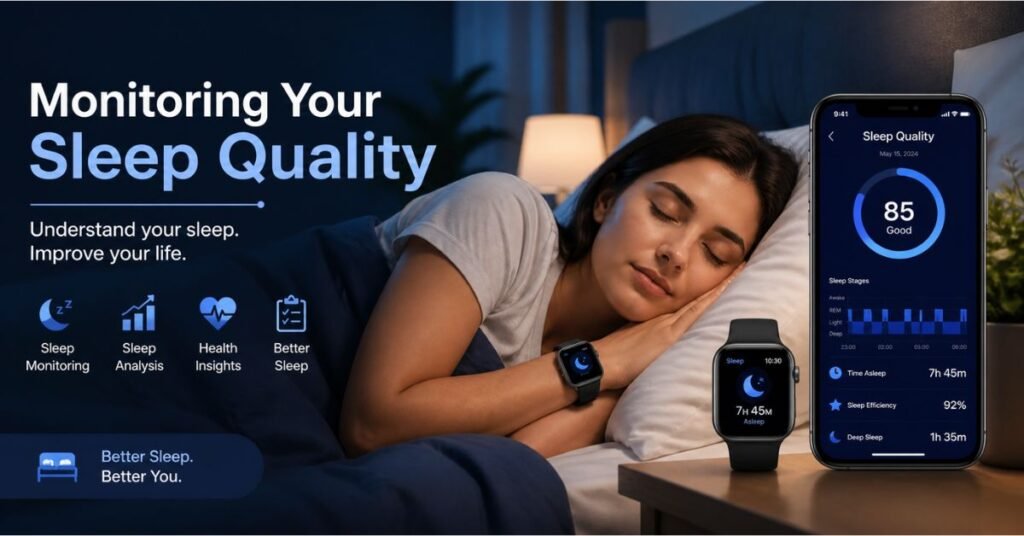
Sleep is not just rest it is a critical time when your body repairs itself, strengthens your immune system, and processes information. Poor sleep is linked to heart disease, obesity diabetes depression and even a shorter lifespan.
Signs your sleep quality may be poor
You feel tired even after 7–9 hours of sleep
You snore loudly or stop breathing during sleep
You take more than 30 minutes to fall asleep
You wake up frequently during the night
Adults need 7–9 hours of sleep per night. Teenagers need 8–10 hours. Children aged 6–12 need 9–12 hours.
To track your sleep, you can use a free app, a smartwatch, or simply keep a sleep diary. Write down when you go to bed, when you wake up, and how rested you feel in the morning.
If you regularly feel exhausted despite enough sleep hours, it may be worth speaking to a healthcare provider about sleep apnea a common but serious condition.
Urine Color and Hydration Check
This one might sound unusual, but the color of your urine is one of the easiest ways to monitor your hydration and kidney health.
Urine Color Chart
| Color | What It May Mean |
|---|---|
| Pale yellow | Well hydrated ideal |
| Clear | Over-hydrated usually harmless |
| Dark yellow | Mildly dehydrated drink more water |
| Orange/brown | Severely dehydrated or liver issue |
| Pink/red | Could be blood see a doctor |
| Cloudy | Possible infection |
Most adults should aim to drink 6–8 glasses of water daily though needs vary based on activity level, climate, and body size.
This quick, daily check costs nothing and gives you instant feedback on one of your body’s most basic functions. It is often overlooked but is one of the most practical at-home wellness checks you can do.
Checking Blood Sugar Levels
If you have a family history of diabetes, are overweight or feel tired and thirsty often monitoring your blood sugar can be very valuable.
An affordable glucose meter glucometer is available at most pharmacies. You prick your finger place a small drop of blood on a test strip and get a reading in seconds.
Blood Sugar Reference Chart
| Time of Test | Normal Range |
|---|---|
| Fasting (8+ hours) | 70–99 mg/dL |
| 2 hours after eating | Under 140 mg/dL |
| Random test | Under 140 mg/dL |
Readings above these ranges on multiple occasions may suggest prediabetes or diabetes.
According to the Centers for Disease Control and Prevention more than 38 million Americans have diabetes and about 1 in 5 do not know it. Regular glucose monitoring is one of the most important simple health check methods for people at risk.
Breathing and Lung Health Assessment
Your lungs work tirelessly every moment of your life. Yet most people never think about their lung health until something goes wrong.
Signs of potential lung problems
Shortness of breath during light activity
Persistent cough lasting more than 3 weeks
Wheezing or whistling sounds when breathing
Coughing up blood
A simple test you can do at home is the breath-hold test: Take a deep breath in, hold it, and count how many seconds you can hold it comfortably. Most healthy adults can hold their breath for 25–30 seconds without feeling discomfort.
Another option is a peak flow meter, a small device you blow into that measures how fast air comes out of your lungs. It is especially useful for people with asthma.
If you smoke or used to smoke, it is especially important to watch for early signs of lung disease. Quitting smoking remains the single best thing you can do for your lung health at any age.
Mental Health Check-Ins
Physical health is only one part of the picture. Mental well-being is just as important and too often ignored until a crisis hits.
A regular mental health check-in does not require a therapist. You can start with a few honest questions:
- Have I felt persistently sad or empty for more than two weeks
- Am I losing interest in things I usually enjoy
- Do I feel anxious, overwhelmed, or out of control
- Am I sleeping or eating too much or too little
- Do I feel hopeless about the future
If you answer yes to several of these, it may be time to talk to someone you trust a friend family member counselor, or doctor.
Journaling is also a powerful tool. Writing down how you feel each day for a few minutes helps you notice patterns over time. Apps like Daylio or Woebot make this even easier.
Mental health is not separate from physical health they are deeply connected. Some research shows that chronic stress can raise blood pressure, weaken the immune system and even affect blood sugar levels.
Visual Summary: At-a-Glance Reference Tables
Key Health Numbers to Track at Home
| Health Metric | Healthy Range | Check Frequency |
|---|---|---|
| Blood Pressure | Below 120/80 mmHg | Monthly (or more) |
| Resting Heart Rate | 60–100 bpm | Weekly |
| BMI | 18.5–24.9 | Monthly |
| Fasting Blood Sugar | 70–99 mg/dL | Monthly (if at risk) |
| Urine Color | Pale yellow | Daily |
| Sleep Duration | 7–9 hours (adults) | Daily |
Warning Signs That Need a Doctor’s Visit
| Symptom | Possible Concern |
|---|---|
| Chest pain or tightness | Heart issue |
| Blood in urine or stool | Internal bleeding or kidney issue |
| Blurred vision that comes and goes | Diabetes or eye disease |
| Persistent cough over 3 weeks | Lung infection or cancer |
| Sudden weight loss without trying | Thyroid issue or cancer |
| Confusion or memory loss | Neurological issue |
Frequently Asked Questions (FAQs)
How often should I do health checks at home
For most adults, checking key metrics like blood pressure, heart rate, and weight once a week or once a month is enough. Daily checks are helpful for things like urine color and sleep.
Can home health checks replace doctor visits
No they cannot. Home checks help you stay aware between visits but they do not replace professional medical advice or physical examinations.
What is the cheapest way to start monitoring my health at home
Start with what costs nothing: check your pulse, observe your urine color, assess your sleep, and do a skin self-exam. A basic blood pressure monitor costs as little as $20–$30.
Are smartwatches accurate enough for health tracking
They are good for trends and general awareness but they are not medical-grade devices. Use them as a guide, not a diagnosis tool.
At what age should I start doing regular health checks at home
It is never too early. Adults of all ages benefit from self-monitoring, but it becomes especially important after the age of 30 when many chronic conditions begin to develop quietly.
Conclusion
Your body sends you signals every day. Learning to listen to them is one of the smartest and most empowering things you can do for your long-term well-being. From tracking your blood pressure and heart rate to checking your skin, sleep and mood, there are many practical ways to stay on top of your health without stepping into a clinic.
Simple health check methods are not about becoming obsessed with numbers or creating unnecessary worry. They are about building awareness, catching changes early, and working alongside your healthcare provider to live a longer healthier life.
Start small. Pick one or two checks from this guide build a habit and add more over time If you use the tables and tips in this article as your personal reference you will be more informed than most people who wait until something goes wrong to pay attention.
Take action today
Bookmark this page share it with a family member and start with just one health check this week Your future self will thank you.